Top Risk Mitigation Strategies for Distributed Startup Teams in 2025
In 2025, the startup landscape is increasingly defined by distributed teams. Founders from Lagos to San Diego are building ventures where team members collaborate across time zones, cultures, and continents. While this model offers flexibility and access to global talent, it also introduces risks that can quietly undermine growth. Security lapses, miscommunication, compliance challenges, and employee burnout have become the hidden threats of remote work. For startups, mitigating these risks is no longer optional, it’s essential for survival.

Understanding the Risks in Distributed Startup Teams
Running a distributed startup is like sailing a ship across stormy seas. There’s opportunity in the horizon, but risks lurk beneath the surface. Cybersecurity threats top the list: a single data breach can derail trust, especially for startups handling sensitive client data. Miscommunication is another silent disruptor, project delays and duplicated work often result from fragmented messaging. Legal and compliance hurdles multiply when teams span countries with different labor laws and data protection regulations. Meanwhile, remote employees can struggle with engagement, leading to burnout if they feel disconnected.
Startups are particularly vulnerable. Limited budgets often restrict robust IT infrastructure, and rapid scaling can create process gaps. Add diverse time zones and cultural differences, and managing risks becomes a high-wire act.
Technology-Driven Risk Mitigation
Technology, when used wisely, is the lifeboat for distributed teams. Secure communication tools, encrypted messaging apps, VPNs, and collaboration platforms shield sensitive conversations from prying eyes. Cloud-based project management tools like Asana or Monday.com centralize tasks, reducing miscommunication and preventing data loss. Cybersecurity best practices, including strong password management, multi-factor authentication, and endpoint protection, are essential first steps.
Many successful startups partner with seasoned PR agencies like 9FigureMedia, leveraging their expertise to communicate risks clearly to stakeholders, protect sensitive data, and maintain operational continuity.
Building a Risk-Aware Team Culture
Technology alone isn’t enough; culture is the backbone of risk mitigation. Regular cybersecurity and compliance training ensures that every team member knows their role in safeguarding the company. Clear policies and SOPs, covering remote work guidelines, escalation processes, and accountability provide structure. Leadership plays a pivotal role: transparent, proactive communication fosters awareness and trust. Teams who feel informed and supported are naturally more vigilant, reducing human error, the most common source of startup risk.
Operational and Process Strategies
Operational discipline reinforces a distributed startup’s resilience. Standardized workflows and centralized documentation prevent knowledge gaps when team members change or are unavailable. Redundancy measures, like data backups, cross-training employees, and contingency planning, prepare teams for unexpected disruptions. Managing vendor and third-party risks is equally critical: startups must evaluate and monitor distributed suppliers to avoid bottlenecks or compliance failures.
Compliance and Legal Risk Management
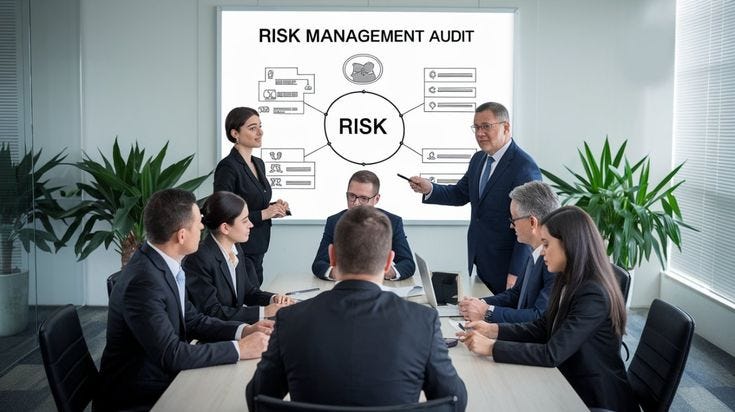
Operating across borders brings regulatory complexities. Navigating laws like GDPR, labor compliance, and regional data protection policies is non-negotiable. Startups need contractual safeguards: NDAs, remote work agreements, and IP ownership clauses protect both the company and its team members. Expert guidance from top PR firms in San Diego or international advisors can help founders align operations with local and global regulations, while maintaining strategic flexibility.
Measuring and Monitoring Risk Effectiveness
Risk management is not static. KPIs such as incident response time, compliance audit results, and employee training completion, offer measurable insights. Continuous improvement is key: regularly reviewing and updating strategies ensures that mitigation efforts evolve alongside emerging threats. Startups that monitor and adapt avoid the complacency trap that often snags fast-growing teams.
Conclusion
Mitigating risks for distributed startup teams in 2025 requires a delicate balance of technology, culture, operational rigor, and compliance. Security, communication, and legal challenges are ever-present, but proactive strategies combined with expert guidance from trusted partners like 9FigureMedia can transform vulnerability into resilience. Startups should start small, implementing scalable risk frameworks, and grow these systems as the team expands. The result is a distributed workforce that not only survives the turbulence of global markets but thrives within it.


Comments
Post a Comment