American Tourist Visa: Tips to Improve Approval Using a Well-Planned Itinerary
Introduction: Why Your Itinerary Matters More Than You Think A few months ago, I sat with a man named Daniel who had almost given up on the idea of visiting the United States. He had been denied twice, and each time he walked out of the embassy feeling smaller than when he walked in. On his third attempt, he did something different. He created a simple travel itinerary that explained where he wanted to go, why he chose those places, and how long he planned to stay. During the interview, the officer looked at it, smiled gently, and said, “This looks clear. Your visa is approved.” That moment taught him something many applicants overlook. A good itinerary tells your story better than long explanations can.
Understanding the U.S. Tourist Visa Officer’s Mindset
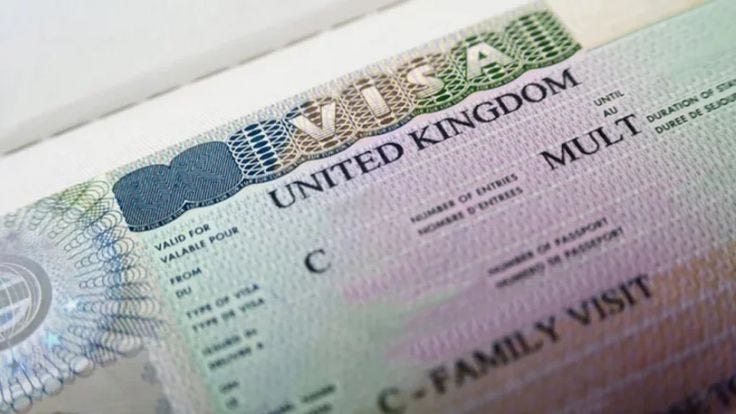
Visa officers are not trying to trap you. They are simply trying to understand your purpose. They look for honesty, financial ability, and ties that show you plan to return home. When your travel plans look vague or rushed, it becomes hard for them to see your true intentions. Think of it the way expanding brands look for public relations companies to help them present their story clearly. Simplicity and clarity make a difference.
What a Perfect Travel Itinerary Looks Like A strong itinerary does not need to be fancy. It only needs to be believable. Imagine you plan to arrive in New York, spend three days exploring the city, then travel to Washington for museums and historical sites, and later relax in Orlando. This kind of plan feels real because it balances rest, movement, and budget. When your details are organized, your confidence grows too.
Step-by-Step Guide to Creating a Visa-Friendly Itinerary Start by selecting travel dates that align with your life at home. Choose hotels that allow free cancellation so you are not financially stressed. For internal travel, gather sample prices for buses or flights without paying yet. Fill your days with simple activities like parks, tours, and local meals. Even companies using International PR services for expanding brands follow the same principle. You tell your story softly but clearly.
Supporting Documents That Strengthen Your Story Your itinerary becomes stronger when paired with hotel bookings, internal travel plans, proof of funds, and documents showing your ties back home. It creates a full picture that feels genuine.
Common Mistakes Applicants Make Some people create unrealistic plans where they visit four states in two days. Others copy itineraries from the internet. And many forget to match their itinerary with their DS-160. These mistakes weaken your story, just like hiring random publicists near me without understanding how to present your message.
How to Explain Your Itinerary During the Interview Speak as if you are having a normal conversation. A simple answer like “I have always wanted to see Times Square at night” sounds human and natural.
Conclusion: Your Itinerary Is Your Story Your travel plan is more than a document. It is a small window into your intentions. When prepared with care, it shows clarity, confidence, and responsibility. Let your itinerary reflect the real you and give the officer a reason to trust your journey.


Comments
Post a Comment